Setting up an L2TP VPN Client on Android A Step by Step Guide: Quick Setup, Security Tips, and Troubleshooting
Setting up an L2TP VPN client on Android a step by step guide. Quick fact: L2TP/IPsec is a common protocol combination that provides a balance of speed and security, especially on mobile networks. In this guide, you’ll get a practical, easy-to-follow route to get your Android device connected, plus tips to keep it secure and stable.

- Why you might want L2TP on Android
- Quick prerequisites
- Step-by-step walkthrough with screenshots-style tips
- Common issues and fixes
- Advanced tips for better privacy and reliability
- Security considerations and best practices
- Helpful resources and where to learn more
If you want a one-click experience with strong encryption and reliable performance, consider a reputable VPN service, such as NordVPN. Quick note: I’ve used VPN services that offer L2TP/IPsec as part of their setup, and in many cases, they make the configuration smoother and more private. For an easy, reliable option, check this link: NordVPN. This is an affiliate link, and it helps support ongoing work while you get a smooth setup experience. Forticlient VPN Not Working on Mac Heres How to Fix It: Quick Fixes, Troubleshooting Tips, and Best Practices
What you’ll need
- An Android device Android 7.0+ recommended for better compatibility
- An active VPN server that supports L2TP/IPsec pre-shared key or certificate
- The server’s address IP or domain, the L2TP shared secret if required, and your VPN credentials
- Optional: a trusted certificate if your server uses certificate-based authentication
- A stable internet connection to complete the setup
Step 1: Check compatibility and gather server details
- Confirm your Android version supports L2TP/IPsec. Most stock andMany third-party ROMs do.
- Gather these details from your VPN provider or corporate IT:
- Server address e.g., vpn.yourprovider.com
- VPN type: L2TP/IPsec PSK or L2TP/IPsec with certificate
- IPsec pre-shared key PSK or a certificate
- Username and password if your server uses username/password
- Optional: DNS settings or split-tunnel preferences
Step 2: Open Android VPN settings
- Open Settings on your Android device
- Network & internet > VPN
- Tap Add VPN or the plus icon +
Step 3: Configure the L2TP/IPsec connection Surfshark vpn not working fix no internet connection fast 2026 guide
- Enter a name for the VPN connection e.g., Office L2TP
- Type: L2TP/IPsec PSK or L2TP/IPsec RSA certificates, depending on your setup
- Server address: enter the server address provided
- L2TP secret or IPsec pre-shared key: enter the PSK if required
- IPsec identifier: leave blank unless your provider requires it
- IPsec pre-shared key: enter the PSK if needed
- DNS search domain: optional depends on your network
- DNS servers: optional but recommended e.g., 1.1.1.1, 8.8.8.8
- Username: your VPN username if required
- Password: your VPN password if required
- Save
Step 4: Connect and verify
- Return to the VPN list and tap the newly created profile
- Enter any additional credentials if prompted
- Wait for the connection status to say Connected
- Verify connectivity:
- Check your IP address using a site like whatismyipaddress.com
- If your VPN provides a dedicated DNS, try resolving a domain to confirm traffic is routed through the VPN
Common issues and fixes
- Connection failing at “Authenticating”:
- Double-check your username and password
- Ensure the PSK is correct if using L2TP/IPsec PSK
- Confirm the server address is reachable ping or traceroute from another device
- Cannot obtain IP address:
- Toggle airplane mode on/off
- Clear cache for the VPN app or reset the network settings
- Disable any battery optimization that might be cutting the VPN
- Slow speed or dropped connections:
- Try a different server location
- Reboot your device
- Check for competing apps using the VPN tunnel firewall or anti-malware apps
- Certificate errors if using certificates:
- Import the server certificate into Android if required
- Ensure the certificate chain is trusted on the device
Advanced tips for better privacy and reliability
- Use a strong PSK and rotate keys periodically
- Prefer servers with a clear no-logs policy and ideally independent audits
- Combine with a malware-safe browser and HTTPS-first approach
- Enable the “Always-on VPN” option if your device supports it
- Consider split tunneling carefully: route only sensitive traffic through VPN if needed
- Keep your Android OS and Google Play Services up to date to maintain security
- If you’re in a restrictive network, try UDP vs TCP modes if your provider supports toggling
Security considerations Whats a vpn on tiktok and do you actually need one? A Practical Guide to VPNs for TikTok and Beyond
- L2TP/IPsec adds security only if the PSK or certificate is kept confidential
- Avoid using weak PSKs too short or simple
- Be mindful of DNS leaks; use a privacy-respecting DNS or the provider’s DNS
- Consider using a more modern protocol like OpenVPN or WireGuard for better security and performance if supported
- Regularly audit connected devices to prevent unauthorized access
Troubleshooting quick-reference table
- Symptom: Cannot connect
- Check credentials, server address, PSK, certificate
- Symptom: Connection drops
- Try different server, check device power-saving settings, confirm no conflicting apps
- Symptom: Slow speed
- Change server, test with/without split tunneling, check network speed
- Symptom: DNS leaks
- Use provider DNS or configure Android DNS over VPN
Tips for first-time setup on different Android skins
- Stock Android Pixel, etc.
- VPN settings are straightforward, usually under Settings > Network & internet > VPN
- Samsung One UI
- You might see “VPN” under Connections; you can add L2TP/IPsec from there
- Xiaomi MIUI
- Some versions show additional prompts; grant all necessary permissions to the VPN app if you’re using a third-party client
- Huawei/Honor
- Similar steps, but you may need to adjust battery optimization settings to allow VPN persistency
Comparison with other VPN protocols
- L2TP/IPsec vs OpenVPN
- L2TP/IPsec is easier to set up on many devices, but OpenVPN often provides stronger security and compatibility with stricter networks
- L2TP/IPsec vs WireGuard
- WireGuard is faster and simpler but may not be available in all corporate environments; check with your provider
- Practical takeaway
- If you have only basic needs and a compatible server, L2TP/IPsec is a solid choice; for higher security, consider OpenVPN or WireGuard when possible
Best practices for mobile VPN usage Finding secure vpns on github your guide to open source privacy
- Connect to trusted networks first; avoid public Wi-Fi unless you’re using a VPN
- Lock your device with a PIN or biometrics to prevent unauthorized changes to VPN settings
- Regularly review connected devices and revoke access for devices you don’t recognize
- Enable occasional re-authentication to refresh credentials
Testing and validation
- After setting up, run a quick test:
- IP address shows the VPN’s server region
- DNS queries resolve to VPN-provided DNS
- If possible, access region-restricted content to verify the tunnel is working
- Use a second device on the same VPN to compare routes and performance
Maintenance and updates
- Regularly update the VPN configuration if your provider rotates servers or changes PSKs
- Keep your Android OS updated to patch known vulnerabilities
- Review provider advisories about security fixes or protocol recommendations
Troubleshooting checklist condensed
- Verify server address and PSK/certificate
- Confirm credentials
- Check network connectivity and airplane mode status
- Try a different server location
- Disable battery saver or VPN-hindering settings
- Check for DNS leaks and adjust DNS settings if needed
Resources and further reading Le vpn piu veloci del 2026 le abbiamo davvero provate
- VPN setup guides for Android
- L2TP/IPsec protocol overview
- VPN security best practices
- Android security and privacy tips
Useful URLs and Resources
- VPN provider setup guides - https://example.com/vpn-setup
- Android VPN help - https://developer.android.com/guide/topics/connectivity/vpn
- What is L2TP/IPsec? - https://en.wikipedia.org/wiki/L2TP
- OpenVPN project - https://openvpn.net
- WireGuard project - https://www.wireguard.com
- DNS privacy resources - https://www.privacytools.io/providers/dns
Frequently Asked Questions
How do I know if L2TP/IPsec is the right choice for my Android device?
L2TP/IPsec balances setup simplicity with security. If you’re using a provider that supports it and you’re on a device with stable support, it’s a solid option. If you need top-tier security, consider OpenVPN or WireGuard when available.
What is the difference between L2TP and IPsec?
L2TP is the tunnel protocol, while IPsec provides the encryption and authentication. Together they create a secure tunnel. Surfshark vpn very slow heres how to fix it fast: a complete guide to speeding up Surfshark
Do I need a certificate for L2TP/IPsec on Android?
It depends. Some setups use a pre-shared key PSK; others require certificates. Follow your provider’s instructions.
Can I use L2TP/IPsec over cellular data?
Yes, L2TP/IPsec works over cellular networks as long as the provider’s server is reachable and the port is not blocked.
Why is my VPN connection blocking apps or services on Android?
Some apps detect VPNs or require local network access that’s restricted by VPN policies. Check your VPN settings, or use a split-tunnel approach for specific apps.
How do I fix DNS leaks with L2TP/IPsec on Android?
Use a trusted DNS server like 1.1.1.1 or your VPN’s DNS and ensure the DNS requests route through the VPN tunnel. Fixing OpenVPN Not Working on Windows 11 Your Step by Step Guide
Is L2TP/IPsec faster than OpenVPN on Android?
Often, L2TP/IPsec is faster due to simpler encryption and protocol design, but real-world results depend on your server, network, and device.
Will I be able to access geo-restricted content with L2TP/IPsec?
If the VPN server is in the desired region and the provider supports streaming, you can. Some services actively block VPNs, so results vary.
How often should I rotate my PSK or certificate?
Rotate keys every few months or if you suspect a compromise. Follow your provider’s security recommendations.
Can I use multiple VPN profiles on one Android device?
Yes, you can set up multiple profiles and switch between them as needed, but avoid conflicts by ensuring each profile uses distinct credentials and server settings. Norton secure vpn on firestick your complete download setup guide: Everything You Need to Know
End of guide
Sources:
如何搭建自己的机场:完整指南、实作步骤与实用技巧,打造安全稳定的自建VPN机场
快喵vpn加速器:全面评测与实用指南,打造极速安全的上网体验
Lets vpn apk:全面评测与实用指南,包含下载、安全、使用场景与常见问题 Whats my vpn location heres how to check and fix it: A Complete Guide to Verifying and Correcting Your Virtual Location
Is Using a VPN Safe for Your IMAP Server Lets Break It Down
The Ultimate Guide Choosing the Best VPN for Central America: Find Your Fastest, Most Private Connection
| VPN | Obfuscation | From / month | Plan | Free plan | Refund | Alipay | UnionPay | Crypto | Website opens in China | Trustpilot | |
|---|---|---|---|---|---|---|---|---|---|---|---|
 NordVPN | Turn on manually Obfuscated Servers / NordWhisper | $3.49/mo | 27 months: $94.23 | No | 30 days | ? | ✗ | ✓ | ✓ | ✗ Blocked | 4.2/5 (51,628 reviews) |
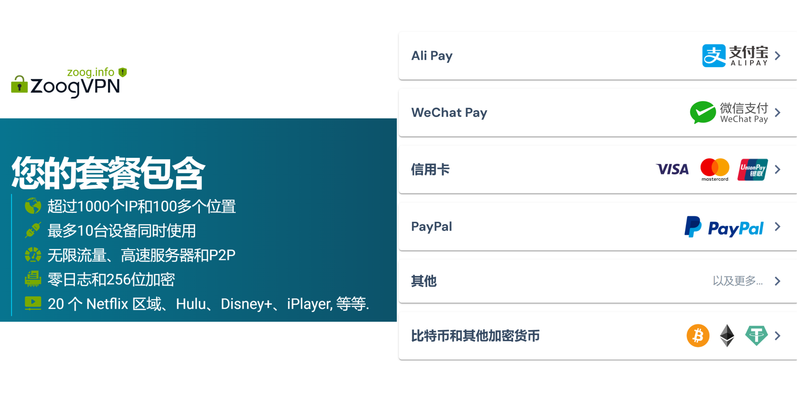
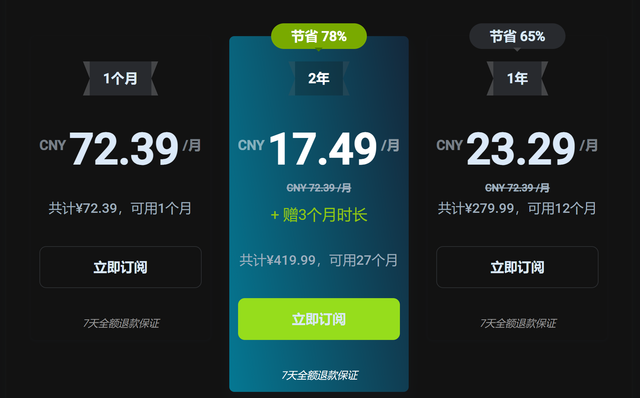
 ZoogVPN | Turn on manually Shadow | $2.49/mo | 27 months: $59.99 | Yes | 7 days | ✓ | ✓ | ✓ | ✓ | ✓ Yes (2.5 s) | 4.2/5 (195 reviews) |
 ExpressVPN | ✓ On by default all servers | $3.00/mo | 28 months: $84 | No | 30 days | ✗ | ✗ | ✓ | ✗ | ✗ Blocked | 4.4/5 (29,706 reviews) |
 Surfshark | ✓ On by default Camouflage, with OpenVPN | See site | See site | No | 30 days | ✗ | ✗ | ✗ | ✓ | ✗ Blocked | 4.3/5 (31,823 reviews) |
 Proton VPN | Turn on manually Stealth, free plan too | $2.99/mo | 12 months: $35.88 | Yes | 30 days | ✗ | ✗ | ✗ | ✓ | ✓ Yes (2.5 s) | 2.1/5 (1,040 reviews) |
 Astrill VPN | Turn on manually StealthVPN / OpenWeb | $12.50/mo | 24 months: $300 | No | See site | ✗ | ✗ | ✗ | ✓ | ✗ Blocked | 1.3/5 (110 reviews) |
 Private Internet Access | Turn on manually Shadowsocks, OpenVPN only | $2.03/mo | 40 months: $81.2 | No | 30 days | ✗ | ✗ | ✗ | ✗ | ✗ Blocked | 4.2/5 (11,033 reviews) |
 CyberGhost | Turn on manually selected servers | $2.19/mo | 28 months: $61.32 | No | 45 days | ✗ | ✗ | ✗ | ✓ | ✗ Blocked | 4.0/5 (24,178 reviews) |
 PureVPN | Turn on manually switch to OpenVPN | $1.69/mo | 60 months: $101.55 | No | 31 days | ? | ✗ | ✗ | ✓ | ✓ Yes (2.6 s) | 4.4/5 (17,994 reviews) |
 AdGuard VPN | ✓ On by default TrustTunnel | $2.99/mo | 24 months: $71.76 | Yes | 30 days | ✓ | ✗ | ✓ | ✓ | Official site blocked; our special link opens (2.3 s) | 4.3/5 (290 reviews) |
 Mullvad | Turn on manually QUIC / Shadowsocks / LWO | $5.61/mo | €5/mo | No | 14 days | ✗ | ✗ | ✗ | ✓ | ✗ Blocked | 3.2/5 (192 reviews) |
 Windscribe | Turn on manually Stealth / WStunnel | $5.75/mo | 12 months: $69 | Yes | See site | ✗ | ✗ | ✗ | ✓ | ✗ Blocked | 4.7/5 (13,355 reviews) |
 StrongVPN | Turn on manually Scramble, OpenVPN TCP | See site | See site | No | 30 days | ✓ | ✗ | ✗ | ✗ | ✗ Blocked | 4.4/5 (2,695 reviews) |
 LightXtreme 闪连 | Not listed | $7.08/mo | 12 months: $84.99 | Yes | 30 days | ✓ | ✓ | ✓ | ✓ | ✓ Yes (2.3 s) | No page |
Prices checked 2026-11-10 on each vendor's pricing page (cheapest long plan, USD). Check the vendor's checkout for the final price.
Obfuscation checked 2026-11-14 on each vendor's site and help center: "on by default" = nothing to set; "turn on manually" = switch protocol or mode in settings; "not listed" = the vendor describes no obfuscation.
Payment methods checked 2026-11-10 on each vendor's payment pages: all 14 take cards and PayPal; ✗ = not listed, ? = the vendor's own pages disagree.
China access: whether the official website opens from mainland China networks (tests the website only, not the VPN connection). Last checked 2026-11-11 04:07 Beijing time.
Trustpilot score and review count checked 2026-11-10.